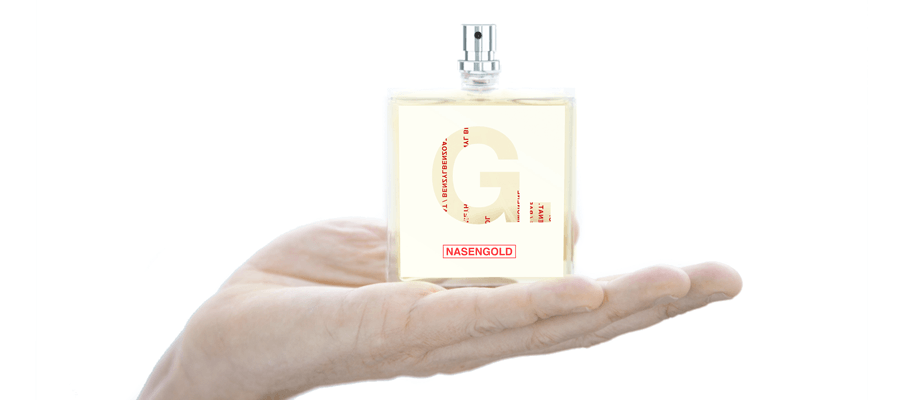



Choosing a fragrance for regular wear: small adjustments that help
A fragrance for regular wear should fit the situations in which you actually plan to use it. Consider shared spaces, personal comfort and whether you still enjoy it after the first impression. A favourite for an occasional evening may not be your preferred choice for a long day. This is not a rule about which scents belong to particular people; it is a practical question about context. Testing over several ordinary days gives a more useful picture than deciding during an unusually exciting shopping visit.
A practical next step
Make notes after wearing a sample during a familiar routine, including whether you wanted to keep wearing it.
Changing one thing with a clear purpose
A small adjustment is easier to evaluate when its purpose is explicit. Keep the parts that are already working and choose one change that addresses an observed difficulty. Check whether it helped before adding another. Some situations require professional advice or a different plan rather than repeated experiments, so respect the limits described in the sections below.
Choosing a first niche perfume
Choosing a niche perfume is easier when you begin with your own preferences rather than a reputation for exclusivity. Think about whether you enjoy airy, dry, soft, sharp or richer impressions, and use those words when seeking suggestions. A category label is a starting point, not a promise about how a fragrance will feel to you. Sampling gives you time to notice its development without committing to a full bottle. There is no need to acquire a specialist vocabulary before deciding that you like something.
Write three ordinary words describing a scent experience you enjoy, then use them to guide a small sample selection.
Perfume preferences in plain language
Plain language can describe a fragrance surprisingly well. Words such as dry, smooth, bright, powdery or dense communicate a personal impression without pretending to identify every material. It helps to separate texture-like descriptions from memories: a scent can feel soft while reminding you of a workshop or a garden. Neither observation needs to be universal. A useful preference note describes what you noticed and whether you enjoyed it, rather than repeating an advertising phrase that you cannot connect to the experience.
Describe one familiar fragrance without using its brand, price or published note list.
Buying fewer perfumes more thoughtfully
A thoughtful perfume purchase begins with a reason that remains convincing after the first excitement. Repeated sampling can help distinguish admiration from a genuine desire to wear a fragrance. Consider what you already own and whether the new bottle adds a different experience you will use. A limited release or enthusiastic review can create urgency without changing your preferences. Waiting is a valid choice, and enjoying a sample does not create an obligation to buy a full bottle.
Revisit a sample during an ordinary day and ask whether you would choose it over the fragrances already available to you.
Do not treat scarcity, compliments or resale speculation as proof that a perfume belongs in your collection.
Writing an honest perfume review
An honest perfume review distinguishes personal impressions from verifiable product information. State how you tested the fragrance and avoid presenting one wearing as a universal result. You can describe a memory or mood without claiming that the perfumer intended it. If you did not test the product, write about its published description rather than inventing a first-hand review. Comparisons are most useful when they identify a specific similarity or difference instead of declaring two fragrances identical without qualification.
Separate your draft into observed impressions, personal associations and information supplied by the brand.
Do not invent a purchase, a wearing experience, an ingredient or a quotation from a perfumer.
Details not to overlook
- Do not assume that a perfume described as versatile will be comfortable for every workplace, household or sensitivity.
- Do not treat price, rarity or the word niche as a guarantee that a fragrance will suit your taste.
- Do not assume that another person means exactly the same thing when they use a word such as clean or warm.
Related reading
Choosing a first niche perfume: a step-by-step approach
Choosing a first niche perfume: questions to clarify first
Perfume preferences in plain language: questions to clarify first