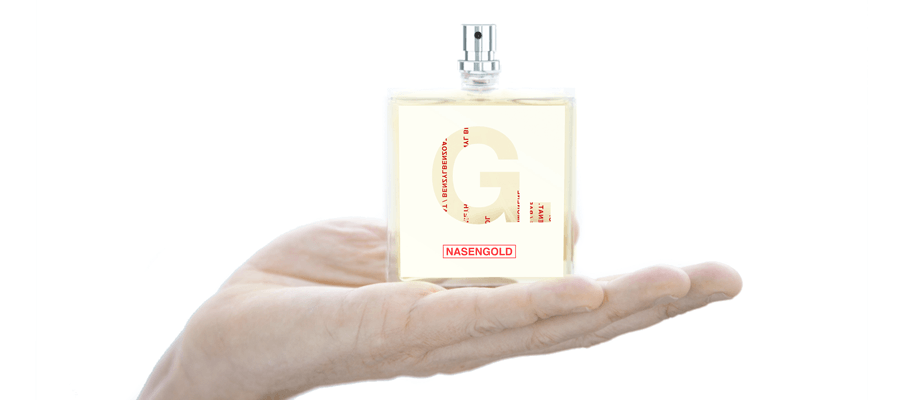



Choosing a first niche perfume: questions to clarify first
Choosing a niche perfume is easier when you begin with your own preferences rather than a reputation for exclusivity. Think about whether you enjoy airy, dry, soft, sharp or richer impressions, and use those words when seeking suggestions. A category label is a starting point, not a promise about how a fragrance will feel to you. Sampling gives you time to notice its development without committing to a full bottle. There is no need to acquire a specialist vocabulary before deciding that you like something.
A practical next step
Write three ordinary words describing a scent experience you enjoy, then use them to guide a small sample selection.
Turning uncertainty into useful questions
A good question is specific enough for someone to answer. Separate what you have observed from what you suspect, and explain which detail would change your decision. When another person has the relevant information, ask about that detail directly. A short list of clear questions is often more productive than a long conversation without a defined purpose.
Perfume preferences in plain language
Plain language can describe a fragrance surprisingly well. Words such as dry, smooth, bright, powdery or dense communicate a personal impression without pretending to identify every material. It helps to separate texture-like descriptions from memories: a scent can feel soft while reminding you of a workshop or a garden. Neither observation needs to be universal. A useful preference note describes what you noticed and whether you enjoyed it, rather than repeating an advertising phrase that you cannot connect to the experience.
Describe one familiar fragrance without using its brand, price or published note list.
Keeping useful perfume notes
Useful perfume notes are brief enough to maintain and specific enough to help later. Record the fragrance name, testing context and a few impressions that you can recognise. Distinguish an observed sensation from information taken from a published description. If you could not detect a particular note, there is no need to add it to sound knowledgeable. The purpose is to understand your preferences, not to produce a definitive assessment of the formula. A simple record also prevents repeated purchases of samples you already rejected.
Write one sentence about the opening, one about a later impression and one about whether you would choose to wear it again.
Testing perfume on skin carefully
A skin test should be approached according to the product instructions and your own circumstances. Use a modest application rather than layering several unfamiliar perfumes in the same place. Keep a note of the location and time so that observations remain comparable. If irritation occurs, stop using the product and seek appropriate advice when needed. People with known sensitivities may need professional guidance before testing. A pleasant smell does not establish that a product is suitable for every person.
Choose a day when you can assess one sample without competing scented products and record your observations at a few natural pauses.
Do not apply perfume to irritated or damaged skin or treat a brief uneventful trial as proof that a reaction can never occur.
Comparing two perfume samples
A two-sample comparison is most useful when the conditions are reasonably similar. Compare the opening impressions separately from what you notice later, and use the same vocabulary for both. You do not have to choose a winner in every category. One fragrance may interest you more while another feels easier to wear. Repeating the comparison on different days can reveal whether a preference was tied to mood or context. Record uncertainty instead of forcing a confident verdict from limited experience.
Create three comparison headings, such as character, comfort and desire to wear again, then write a short note under each.
Do not interpret a larger application or a different testing surface as a fair demonstration that one fragrance is stronger.
Details not to overlook
- Do not treat price, rarity or the word niche as a guarantee that a fragrance will suit your taste.
- Do not assume that another person means exactly the same thing when they use a word such as clean or warm.
- Do not turn a guessed ingredient into a factual statement about the perfume's composition.
Related reading
Building a perfume sample shortlist: how to compare the options
Perfume preferences in plain language: how to review the result
Keeping useful perfume notes: how to compare the options