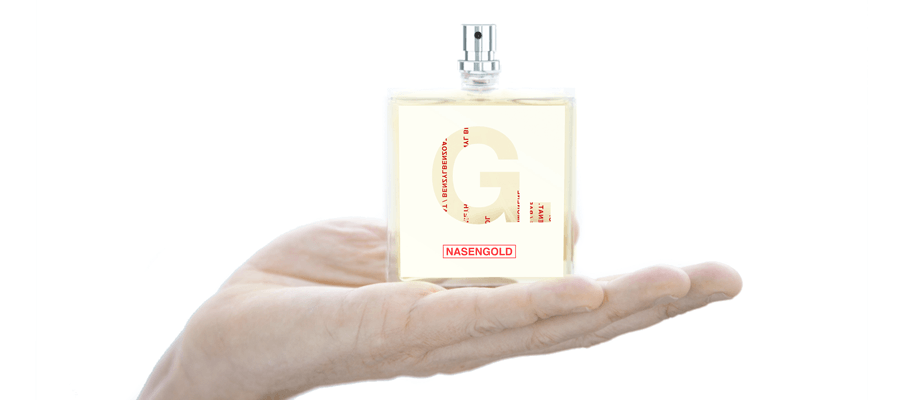



Perfume for close social settings: a practical starting point
Close social settings make scent a shared experience rather than a purely private choice. Consider the size of the space, how long people will be together and whether food or other smells are central to the occasion. A familiar fragrance applied modestly is easier to judge than a new one applied enthusiastically just before leaving. There is no universally correct number of sprays for every product and context. Respectful adjustment matters more than an arbitrary rule copied from a recommendation.
A practical next step
Choose your fragrance and application before entering the shared setting, allowing time to notice whether it feels too much.
The essentials before you begin
Start with the parts that affect your own situation rather than trying to solve every possible question at once. A useful first attempt is small enough to understand and clear enough to review. Use the examples below to identify what you already know, what needs checking and which action would make the next step easier.
Exploring a seasonal perfume wardrobe
A seasonal fragrance wardrobe can be a way to explore changing preferences rather than a rule that certain scents are forbidden at certain times. Clothing, routines and the environments you use may affect what feels comfortable. Start with what you already own and notice which fragrances you choose naturally. A small rotation can be enough. Buying a new bottle for every imagined season is unnecessary if your existing choices still work well for you.
Track which fragrance you reach for during different everyday routines and look for a real gap before buying.
Testing perfume on paper
A paper test is useful for an initial comparison because it lets you explore a fragrance without immediately applying several products to your skin. Label each strip and keep them separate so that you can identify what you are smelling. Return to the strips rather than relying only on the first moment. A paper impression is not a complete prediction of personal wear, but it can help narrow the field. Avoid touching a heavily sprayed area to clothes or furnishings.
Test a small number of clearly labelled strips and note which ones you want to explore later on a separate occasion.
Choosing a fragrance for regular wear
A fragrance for regular wear should fit the situations in which you actually plan to use it. Consider shared spaces, personal comfort and whether you still enjoy it after the first impression. A favourite for an occasional evening may not be your preferred choice for a long day. This is not a rule about which scents belong to particular people; it is a practical question about context. Testing over several ordinary days gives a more useful picture than deciding during an unusually exciting shopping visit.
Make notes after wearing a sample during a familiar routine, including whether you wanted to keep wearing it.
Do not assume that a perfume described as versatile will be comfortable for every workplace, household or sensitivity.
Keeping useful perfume notes
Useful perfume notes are brief enough to maintain and specific enough to help later. Record the fragrance name, testing context and a few impressions that you can recognise. Distinguish an observed sensation from information taken from a published description. If you could not detect a particular note, there is no need to add it to sound knowledgeable. The purpose is to understand your preferences, not to produce a definitive assessment of the formula. A simple record also prevents repeated purchases of samples you already rejected.
Write one sentence about the opening, one about a later impression and one about whether you would choose to wear it again.
Do not turn a guessed ingredient into a factual statement about the perfume's composition.
Details not to overlook
- Do not spray towards other people or add perfume at a dining table.
- Do not present weather-related preferences as universal rules about performance or personal suitability.
- Do not conclude that paper testing tells you exactly how long or how strongly a perfume will wear on you.
Related reading
Perfume projection and personal space: a realistic plan
Exploring a seasonal perfume wardrobe: how to review the result
Testing perfume on paper: what to prioritise