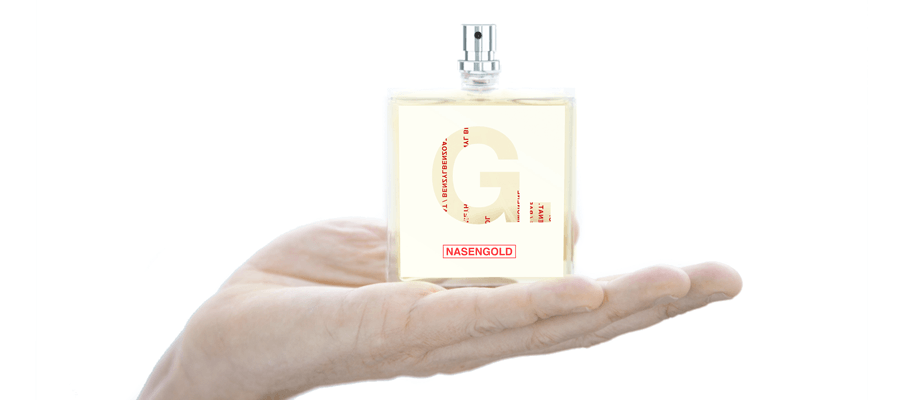

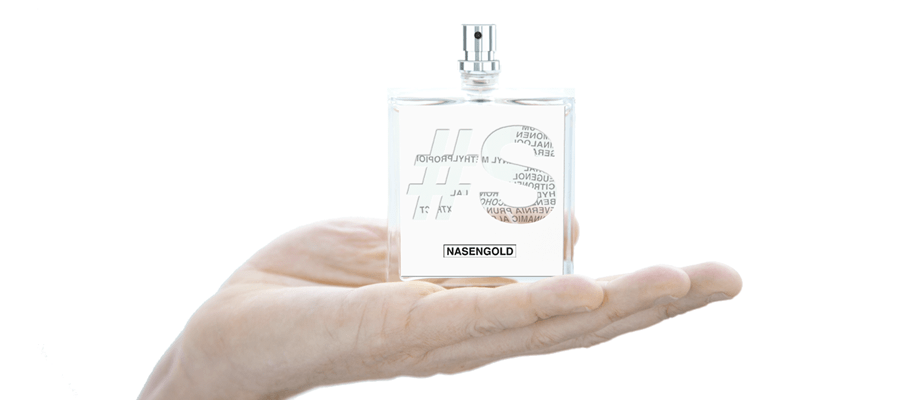

Comparing two perfume samples: how to review the result
A two-sample comparison is most useful when the conditions are reasonably similar. Compare the opening impressions separately from what you notice later, and use the same vocabulary for both. You do not have to choose a winner in every category. One fragrance may interest you more while another feels easier to wear. Repeating the comparison on different days can reveal whether a preference was tied to mood or context. Record uncertainty instead of forcing a confident verdict from limited experience.
A practical next step
Create three comparison headings, such as character, comfort and desire to wear again, then write a short note under each.
Learning from what actually happened
A useful review looks at what happened rather than what you hoped would happen. Note the starting conditions and distinguish an observation from an explanation. One experience can suggest a change, but it does not establish a universal rule. Keep the review proportionate: the purpose is to make the next attempt more informed, not to produce a perfect account.
Keeping useful perfume notes
Useful perfume notes are brief enough to maintain and specific enough to help later. Record the fragrance name, testing context and a few impressions that you can recognise. Distinguish an observed sensation from information taken from a published description. If you could not detect a particular note, there is no need to add it to sound knowledgeable. The purpose is to understand your preferences, not to produce a definitive assessment of the formula. A simple record also prevents repeated purchases of samples you already rejected.
Write one sentence about the opening, one about a later impression and one about whether you would choose to wear it again.
Buying fewer perfumes more thoughtfully
A thoughtful perfume purchase begins with a reason that remains convincing after the first excitement. Repeated sampling can help distinguish admiration from a genuine desire to wear a fragrance. Consider what you already own and whether the new bottle adds a different experience you will use. A limited release or enthusiastic review can create urgency without changing your preferences. Waiting is a valid choice, and enjoying a sample does not create an obligation to buy a full bottle.
Revisit a sample during an ordinary day and ask whether you would choose it over the fragrances already available to you.
Building a perfume sample shortlist
A manageable sample shortlist makes comparison easier than a large collection tried in one sitting. Include a clear reference point, such as a fragrance you already understand, and a small number of genuinely different options. Note why each sample is on the list. You may discover that two appealing descriptions lead to very similar experiences, while an unexpected option offers useful contrast. Allow separate wearings before deciding, and follow any application instructions or personal safety advice relevant to you.
Choose a few samples with distinct reasons for inclusion and remove any selected only because they appear on every recommendation list.
Do not purchase several full bottles to perform a comparison that could be explored with samples.
Perfume preferences in plain language
Plain language can describe a fragrance surprisingly well. Words such as dry, smooth, bright, powdery or dense communicate a personal impression without pretending to identify every material. It helps to separate texture-like descriptions from memories: a scent can feel soft while reminding you of a workshop or a garden. Neither observation needs to be universal. A useful preference note describes what you noticed and whether you enjoyed it, rather than repeating an advertising phrase that you cannot connect to the experience.
Describe one familiar fragrance without using its brand, price or published note list.
Do not assume that another person means exactly the same thing when they use a word such as clean or warm.
Details not to overlook
- Do not interpret a larger application or a different testing surface as a fair demonstration that one fragrance is stronger.
- Do not turn a guessed ingredient into a factual statement about the perfume's composition.
- Do not treat scarcity, compliments or resale speculation as proof that a perfume belongs in your collection.
Related reading
Keeping useful perfume notes: a realistic plan
Keeping useful perfume notes: how to compare the options
Buying fewer perfumes more thoughtfully: a practical starting point