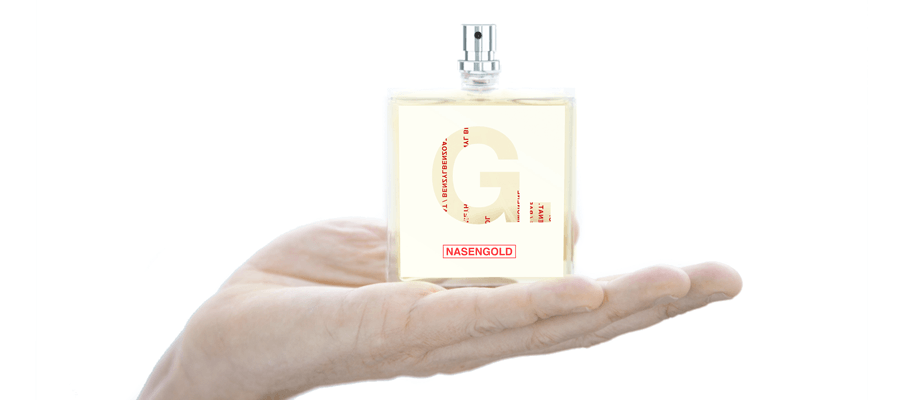



Choosing a discovery set: a practical starting point
A discovery set is useful when its selection supports the kind of comparison you want to make. Check the actual contents, sample sizes and application format with the seller. A set focused on one family can reveal subtle differences, while a varied set may be better for exploring broad preferences. The number of samples is not the only measure of value. Think about whether you will have enough time and interest to test them thoughtfully rather than accumulating unopened vials.
A practical next step
Write a reason for testing each included fragrance before deciding that the set is a good fit.
The essentials before you begin
Start with the parts that affect your own situation rather than trying to solve every possible question at once. A useful first attempt is small enough to understand and clear enough to review. Use the examples below to identify what you already know, what needs checking and which action would make the next step easier.
Travelling with perfume
Travel perfume choices should reflect the journey and the rules that apply to the carrier and destination. Check current liquid restrictions and the manufacturer's guidance before packing. Secure containers so that a leak will not affect documents or other essentials. A small selection can be more convenient than several bottles, particularly when you will be sharing rooms or transport. Samples also need labels and safe storage; their size does not remove the need to treat them as fragrance products.
Confirm the relevant travel rules and pack only the fragrances you realistically expect to use.
Perfume preferences in plain language
Plain language can describe a fragrance surprisingly well. Words such as dry, smooth, bright, powdery or dense communicate a personal impression without pretending to identify every material. It helps to separate texture-like descriptions from memories: a scent can feel soft while reminding you of a workshop or a garden. Neither observation needs to be universal. A useful preference note describes what you noticed and whether you enjoyed it, rather than repeating an advertising phrase that you cannot connect to the experience.
Describe one familiar fragrance without using its brand, price or published note list.
Building a perfume sample shortlist
A manageable sample shortlist makes comparison easier than a large collection tried in one sitting. Include a clear reference point, such as a fragrance you already understand, and a small number of genuinely different options. Note why each sample is on the list. You may discover that two appealing descriptions lead to very similar experiences, while an unexpected option offers useful contrast. Allow separate wearings before deciding, and follow any application instructions or personal safety advice relevant to you.
Choose a few samples with distinct reasons for inclusion and remove any selected only because they appear on every recommendation list.
Do not purchase several full bottles to perform a comparison that could be explored with samples.
Choosing a first niche perfume
Choosing a niche perfume is easier when you begin with your own preferences rather than a reputation for exclusivity. Think about whether you enjoy airy, dry, soft, sharp or richer impressions, and use those words when seeking suggestions. A category label is a starting point, not a promise about how a fragrance will feel to you. Sampling gives you time to notice its development without committing to a full bottle. There is no need to acquire a specialist vocabulary before deciding that you like something.
Write three ordinary words describing a scent experience you enjoy, then use them to guide a small sample selection.
Do not treat price, rarity or the word niche as a guarantee that a fragrance will suit your taste.
Details not to overlook
- Do not assume that a set includes every fragrance from a brand or that its contents remain unchanged.
- Do not rely on an old travel article for current baggage restrictions or spray perfume in a confined shared vehicle.
- Do not assume that another person means exactly the same thing when they use a word such as clean or warm.
Related reading
Storing a perfume collection: a practical starting point
Travelling with perfume: what to prioritise
Perfume preferences in plain language: a realistic plan